 Intro price. Get Books, Courses & Mock Tests; Sale 15% off.


 Banking
 UGC NET
 UGC NET Commerce
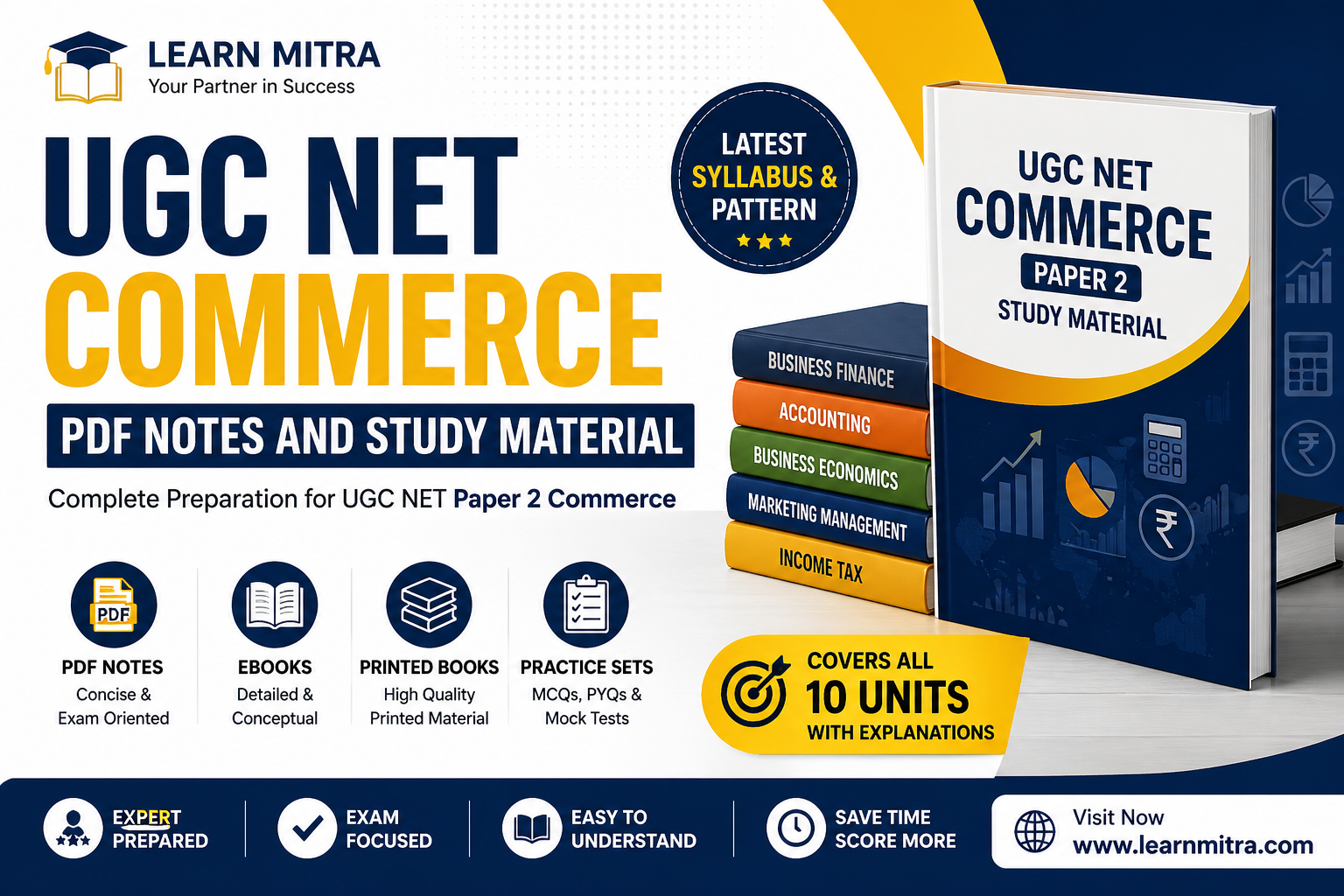



Discover how APC-driven Scopus journals, transfer desk systems, and paid open-access publishing are creating challenges for genuine researchers, faculty members, and PhD scholars worldwide. Academic publishing was once considered a merit-based process focused on innovation, originality, and scholarly contribution. However, in recent years, many researchers, faculty members, and PhD scholars have started questioning whether the current Scopus-indexed journal ecosystem truly supports quality research or has gradually become an expensive publication-driven business model. – Dr. Gaurav Jangra, Professor | 15 May 2026
Today, publishing in a Scopus-indexed journal has become a mandatory requirement in many universities, higher education institutions, accreditation systems, faculty appraisal frameworks, and PhD regulations. Institutions continuously pressure faculty members to publish in Scopus journals for promotions, rankings, API scores, NAAC, NBA, NIRF, and international visibility. While the intention behind promoting research quality may be positive, the practical reality faced by researchers is often very different.
A growing number of scholars believe that the modern Scopus publishing ecosystem has become increasingly commercialized, where Article Processing Charges (APCs), open-access fees, editorial networking, and publication agencies heavily influence publication outcomes.

The Increasing Pressure of Scopus Publications in Academia
Across universities worldwide, especially in developing countries, faculty members are constantly instructed to:
- Publish in Scopus-indexed journals
- Increase research output annually
- Maintain publication records for promotions
- Fulfill PhD and academic performance requirements
- Improve institutional rankings
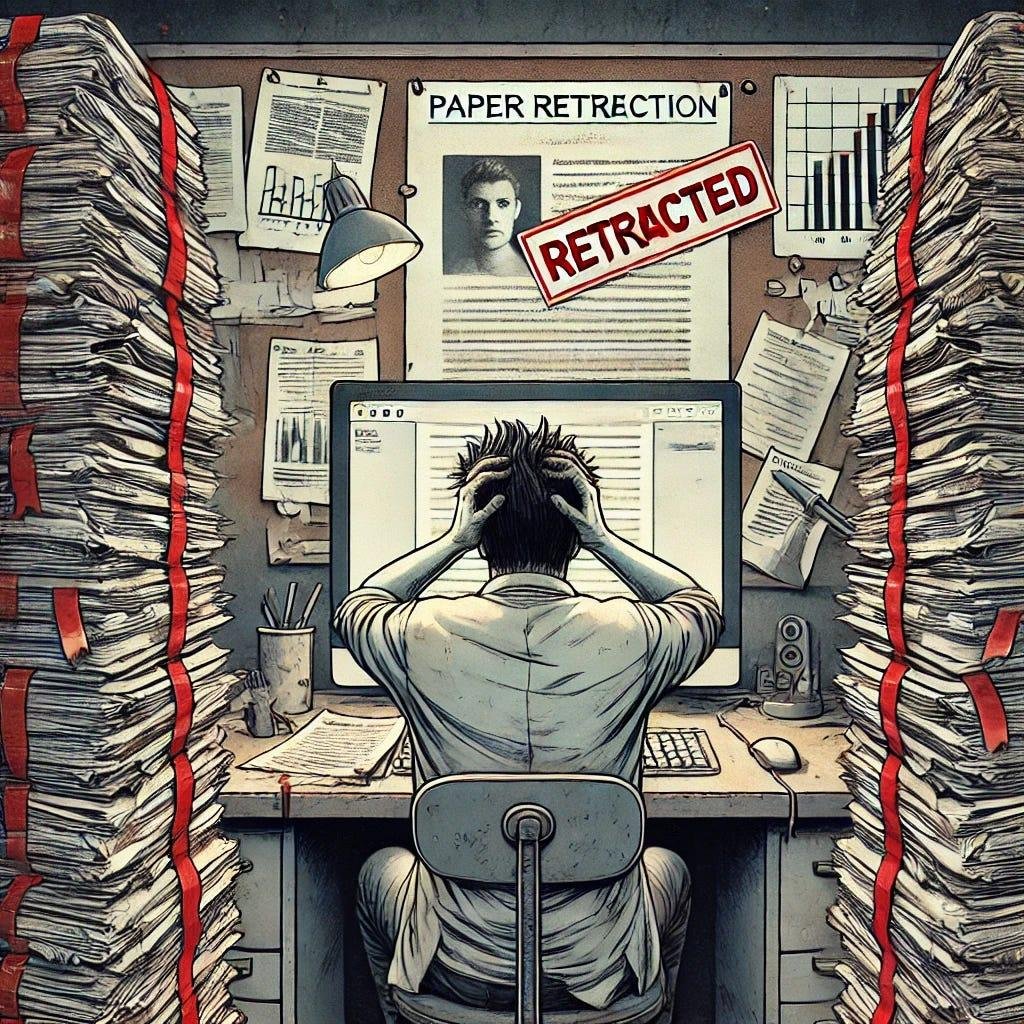
This pressure has created a “publish or perish” culture. Unfortunately, the number of genuine, high-quality, free-to-publish journals remains limited compared to the rapidly increasing number of submissions from researchers.
As a result, scholars often face:
- Multiple rejections
- Long review timelines
- Desk rejections without proper feedback
- Reviewer bias
- Extremely competitive acceptance rates
For early-career researchers and professors without strong academic networks, publishing becomes highly challenging.
The Rise of APC-Based Publishing Models
One of the biggest concerns raised by researchers today is the dominance of APC-based journals.
What is APC?
APC stands for Article Processing Charge. These are fees charged by journals for publishing articles, especially under open-access models.
In theory, APCs help journals maintain editorial operations and provide free public access to research. However, many scholars argue that in practice, APC-driven publishing has blurred the line between quality publishing and commercial acceptance systems.

Researchers commonly observe situations where:
- A paper submitted to a regular journal gets rejected
- The same publisher recommends a “transfer desk”
- The author is redirected to another journal under the same publishing group
- The new journal asks for heavy APC charges
- The same article gets accepted after payment
This pattern has created widespread concerns regarding transparency and fairness in the publication ecosystem.
Transfer Desk Systems and Ethical Concerns
Many large publishing houses now use transfer desk mechanisms. Officially, these systems are designed to help authors find a more suitable journal after rejection.
However, researchers frequently claim that:
- Free journals reject papers quickly
- Paid open-access journals are aggressively promoted
- APC-based journals show comparatively higher acceptance chances
- Authors feel financially pressured to publish
Although not every transfer recommendation is unethical, the growing dependency on paid publishing models has raised serious debates within academia.
For many scholars, it creates the perception that:
“If you can pay, your publication chances improve.”
This perception alone damages trust in the academic publishing system.
Why Genuine Researchers Feel Frustrated
A normal faculty member or research scholar often lacks:
- Strong editorial connections
- International co-author networks
- Institutional funding support
- Research grants for APCs
- Access to publication consultants
Meanwhile, some publication agencies and intermediaries openly claim they can “arrange” Scopus publications through editorial contacts or special channels for extremely high fees.
In many cases, researchers report publication costs ranging from:
- ₹50,000
- ₹1,00,000
- ₹1,50,000
- Even ₹2–3 lakhs for certain journals
This creates inequality in academic publishing where financial capability sometimes appears more influential than research quality.
The Hidden Commercialization of Academic Research
Another major concern is the transformation of research publishing into a business-oriented ecosystem.
Today, several stakeholders financially benefit from publication pressure:
- Publishers
- Open-access platforms
- APC-based journals
- Publication consultants
- Conference organizers
- Predatory agencies
As demand for Scopus publications increases, the market surrounding academic publishing also expands rapidly.
This commercialization affects:
- Research ethics
- Academic integrity
- Trust in peer review
- Research originality
- Scholar motivation
Many researchers now spend more time searching for “acceptable journals” than improving the actual quality of their work.

Are All Scopus Journals Problematic?
There are still many authentic, ethical, and high-quality Scopus-indexed journals that follow rigorous peer-review standards and maintain academic integrity.
Several reputed journals continue to:
- Conduct genuine peer review
- Reject low-quality work fairly
- Maintain transparent editorial policies
- Avoid unethical publication practices
However, the challenge lies in identifying trustworthy journals among thousands of available options.
Researchers must carefully evaluate:
- Publisher credibility
- Review timelines
- Editorial board transparency
- APC policies
- Indexing verification
- Journal reputation
- Previous published articles
The Psychological Impact on Faculty and Research Scholars
- Research anxiety
- Mental stress
- Academic burnout
- Fear of rejection
- Financial burden
- Reduced research motivation
Many assistant professors, PhD scholars, and young researchers feel trapped between institutional expectations and the realities of modern publishing systems.
Instead of encouraging innovation and intellectual growth, the system sometimes pushes researchers toward survival-oriented publishing decisions.
How Researchers Can Protect Themselves
Researchers should adopt a strategic and ethical approach toward publishing:
1. Focus on Research Quality
Strong methodology, originality, data quality, and proper academic writing still matter significantly.
2. Avoid Predatory Journals
Always verify:
- Scopus indexing status
- Publisher authenticity
- Discontinued journal lists
- Fake indexing claims
3. Build Academic Networks
Collaborations with experienced researchers can improve research quality and publication opportunities.
4. Improve Manuscript Writing
Many papers get rejected due to:
- Weak literature review
- Poor methodology
- Formatting issues
- Lack of novelty
- Weak theoretical contribution
5. Be Patient
Genuine publication often takes time. Ethical journals usually have stricter review systems and longer review cycles.
The Need for Reform in Academic Publishing
The academic community now needs serious discussions regarding:
- Publication pressure in universities
- Excessive dependence on Scopus metrics
- Transparency in APC systems
- Ethical peer-review practices
- Accessibility for researchers from developing nations
Universities should evaluate faculty performance using broader academic contributions instead of relying only on publication counts.
Research quality should matter more than publication quantity.
Conclusion
The modern Scopus publishing ecosystem has undoubtedly become more complex, competitive, and financially demanding. While not every Scopus-indexed journal operates unfairly, many researchers genuinely feel that APC-driven publication systems have created barriers for ordinary scholars and faculty members.
The growing commercialization of academic publishing raises important questions about research ethics, accessibility, and fairness. For many genuine researchers, publishing is no longer only about academic contribution—it has become a financial and institutional struggle.
The future of research publishing must focus on restoring transparency, integrity, affordability, and equal opportunity so that deserving research is recognized based on merit rather than monetary capability.

Learn Mitra is an Online Learning and Teaching portal for students and teachers for all types of competitive exams via Printed Books, eBooks, PDF Notes, Study Material, Online Courses, Live Classes, Mock Tests, Test Series and Blog articles.
0 Comments